

Michael Young
The National
16 September 09
It wasn’t a coincidence that the firing of two rockets from southern Lebanon into Israel last Friday was meant to coincide with the anniversary of the September 11 attacks. Nor was it a coincidence that the unknown group claiming responsibility was named the Ziad al Jarrah division of the Abdullah Azzam Brigades, which is allegedly linked to al Qa’eda.
The point was to create a red herring. In all likelihood, and given the constraints on the ground in Lebanon’s border area, the party really behind the attack was Syria, employing pro-Syrian Palestinians. There are several reasons to presume so. Damascus has often used similar incidents in the south to get its messages across, despite the pro forma veneer of deniability it has put up. Only Syria has the latitude to set up rockets in an area tightly controlled by Hizbollah. And it has been a recurring feature of Syrian conduct to shift blame for its own breaches of security on to Sunni Islamists, both to tarnish its Sunni Lebanese foes, principally Saad Hariri, and to suggest that only Syria can contain “Sunni extremism”.
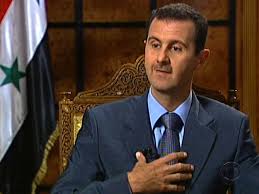
There were regional and domestic implications to what happened. While many Lebanese focused on the latter – pointing out that the attack was linked to the political crisis in Beirut, particularly Mr Hariri’s inability to form a government – Syria’s calculations outside the country may have been more important. The president Bashar Assad is displeased with the fact that the Syrian track appears to be far less of an Obama administration priority than the Palestinian track, even as Washington wants Damascus to engage in direct negotiations with Israel when the Syrians would prefer to work through the Turkish government.
By ordering rockets to be fired into Israel, the Syrians reminded the Americans that their isolation by Washington could push them to provoke a conflict between Lebanon and Israel. Implicit was a warning that it is not Iran and Hizbollah alone who can raise tension in the border area. In some respects this is similar to the policy that Syria is pursuing in Iraq, where they have also tried to accumulate political capital by manipulating the security situation. But ultimately where does such an approach lead?
That question, or rather the absence of an obvious answer to the question, is at the heart of the structural difficulties plaguing the Syrian-American relationship. Syria has yet to resolve a paradox in its political behaviour. For it to engage the United States effectively, the Assad regime believes it must accumulate leverage regionally. But its only means of doing so is by destabilising its surroundings, adding to the obstacles preventing better ties with Washington. This is a recurring problem that Syria has faced with most of its interlocutors: it seeks political chips to remain politically relevant, but will rarely cash in these chips because it fears that doing so would only make it more irrelevant.
Take the situation in Iraq. The Obama administration has been eager in recent months to bring Syria into broader US efforts to pacify Iraq, as a preparatory step toward a military withdrawal from the country. Indeed, the Americans recently angered the Iraqi prime minister Nouri al Maliki by discussing border security with Syria when the Iraqis felt that this should be their own prerogative. Following the simultaneous bombings in Baghdad in late August, the US initially took an equivocal position towards the violence, arguing that Iraq and Syria should resolve their differences through dialogue, while sources in Washington leaked that it was not Iraqi Baathists run out of Syria, but al Qa’eda, that had carried out the bombings. Mr Maliki’s idea of setting up a United Nations tribunal to investigate the incident aroused no American sympathy.
And yet the United States seemed to be intentionally missing the point. The Assad regime continues to allow foreign jihadists to enter Iraq through its border. If such jihadists planned and executed the Baghdad bombings, there was a pretty good chance they travelled through Syria. However, as eager as some US officials are to make the relationship with Syria work in Iraq, the reality is that the Syrians have every intention of maintaining a spoiler role there, whether to strengthen themselves with respect to Washington in the future or with respect to Iraq and the Arab world.
That is not likely to change at a time when the United States, along with the other permanent members of the UN Security Council and Germany, is preparing to begin a dialogue with Iran. Nothing worries Syria more than the prospect of a breakthrough in the Middle East between Washington and Tehran. And while the probability may not be high, the Syrians don’t like processes of which they are not a part. That will only make them more reluctant to be conciliatory – in Iraq, but also in Lebanon and on the Palestinian front. A more imaginative policy might be for Syria to initiate a serious process of its own, perhaps through negotiations with Israel, one that pushes it towards centre stage in diplomatic importance, but that’s not part of the Assad regime’s DNA, which naturally gravitates towards obstruction.
What Mr Assad does not realise is that the Obama administration is as close as he will get to a willing American partner. The US has decided to send an ambassador back to Damascus, to lift some sanctions on Syria, to engage it over Iraq and to avoid clashes over Syria’s support for Hamas and its actions in Lebanon, where Mr Assad’s intransigence is a major factor in blocking the formation of a new government. Despite all this, the Syrians are no closer to getting something tangible out of the relationship.
American tolerance has its limits: Syria has often succeeded in forcing other governments to take it to the river, before then refusing to drink. To finally get somewhere, Mr Assad may one day have to risk a sip.
Michael Young is opinion editor of the Daily Star newspaper in Lebanon
The National
16 September 09
It wasn’t a coincidence that the firing of two rockets from southern Lebanon into Israel last Friday was meant to coincide with the anniversary of the September 11 attacks. Nor was it a coincidence that the unknown group claiming responsibility was named the Ziad al Jarrah division of the Abdullah Azzam Brigades, which is allegedly linked to al Qa’eda.
The point was to create a red herring. In all likelihood, and given the constraints on the ground in Lebanon’s border area, the party really behind the attack was Syria, employing pro-Syrian Palestinians. There are several reasons to presume so. Damascus has often used similar incidents in the south to get its messages across, despite the pro forma veneer of deniability it has put up. Only Syria has the latitude to set up rockets in an area tightly controlled by Hizbollah. And it has been a recurring feature of Syrian conduct to shift blame for its own breaches of security on to Sunni Islamists, both to tarnish its Sunni Lebanese foes, principally Saad Hariri, and to suggest that only Syria can contain “Sunni extremism”.
There were regional and domestic implications to what happened. While many Lebanese focused on the latter – pointing out that the attack was linked to the political crisis in Beirut, particularly Mr Hariri’s inability to form a government – Syria’s calculations outside the country may have been more important. The president Bashar Assad is displeased with the fact that the Syrian track appears to be far less of an Obama administration priority than the Palestinian track, even as Washington wants Damascus to engage in direct negotiations with Israel when the Syrians would prefer to work through the Turkish government.
By ordering rockets to be fired into Israel, the Syrians reminded the Americans that their isolation by Washington could push them to provoke a conflict between Lebanon and Israel. Implicit was a warning that it is not Iran and Hizbollah alone who can raise tension in the border area. In some respects this is similar to the policy that Syria is pursuing in Iraq, where they have also tried to accumulate political capital by manipulating the security situation. But ultimately where does such an approach lead?
That question, or rather the absence of an obvious answer to the question, is at the heart of the structural difficulties plaguing the Syrian-American relationship. Syria has yet to resolve a paradox in its political behaviour. For it to engage the United States effectively, the Assad regime believes it must accumulate leverage regionally. But its only means of doing so is by destabilising its surroundings, adding to the obstacles preventing better ties with Washington. This is a recurring problem that Syria has faced with most of its interlocutors: it seeks political chips to remain politically relevant, but will rarely cash in these chips because it fears that doing so would only make it more irrelevant.
Take the situation in Iraq. The Obama administration has been eager in recent months to bring Syria into broader US efforts to pacify Iraq, as a preparatory step toward a military withdrawal from the country. Indeed, the Americans recently angered the Iraqi prime minister Nouri al Maliki by discussing border security with Syria when the Iraqis felt that this should be their own prerogative. Following the simultaneous bombings in Baghdad in late August, the US initially took an equivocal position towards the violence, arguing that Iraq and Syria should resolve their differences through dialogue, while sources in Washington leaked that it was not Iraqi Baathists run out of Syria, but al Qa’eda, that had carried out the bombings. Mr Maliki’s idea of setting up a United Nations tribunal to investigate the incident aroused no American sympathy.
And yet the United States seemed to be intentionally missing the point. The Assad regime continues to allow foreign jihadists to enter Iraq through its border. If such jihadists planned and executed the Baghdad bombings, there was a pretty good chance they travelled through Syria. However, as eager as some US officials are to make the relationship with Syria work in Iraq, the reality is that the Syrians have every intention of maintaining a spoiler role there, whether to strengthen themselves with respect to Washington in the future or with respect to Iraq and the Arab world.
That is not likely to change at a time when the United States, along with the other permanent members of the UN Security Council and Germany, is preparing to begin a dialogue with Iran. Nothing worries Syria more than the prospect of a breakthrough in the Middle East between Washington and Tehran. And while the probability may not be high, the Syrians don’t like processes of which they are not a part. That will only make them more reluctant to be conciliatory – in Iraq, but also in Lebanon and on the Palestinian front. A more imaginative policy might be for Syria to initiate a serious process of its own, perhaps through negotiations with Israel, one that pushes it towards centre stage in diplomatic importance, but that’s not part of the Assad regime’s DNA, which naturally gravitates towards obstruction.
What Mr Assad does not realise is that the Obama administration is as close as he will get to a willing American partner. The US has decided to send an ambassador back to Damascus, to lift some sanctions on Syria, to engage it over Iraq and to avoid clashes over Syria’s support for Hamas and its actions in Lebanon, where Mr Assad’s intransigence is a major factor in blocking the formation of a new government. Despite all this, the Syrians are no closer to getting something tangible out of the relationship.
American tolerance has its limits: Syria has often succeeded in forcing other governments to take it to the river, before then refusing to drink. To finally get somewhere, Mr Assad may one day have to risk a sip.
Michael Young is opinion editor of the Daily Star newspaper in Lebanon
Love of the Land: The Syrian paradox: playing the spoiler to stay relevant




 Posts
Posts


